50. The Dixiecrats were southern Democrats who hated Truman and his civil-rights stand, and wanted to get rid of him on a States Rights ticket, and preserve the segregationist status quo.
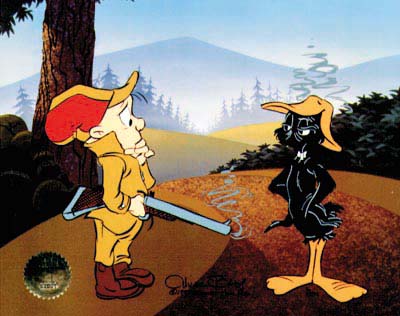
51. VP Henry A. Wallace's new Progressive Party was a collection of disgruntled New Dealers, pacifists, well-meaning liberals, and communist fronters, and he took a pro-Soviet line (which has about as much chance of working as a Looney Tunes skit without some sort of comedic injury).
Classic
52. However, to the complete bewilderment of the nation and the Chicago Tribune, Truman won reelection thanks to his never-say-die campaign, which won over Republican-wary farmers, workers, and blacks who also admired Trumans guts.

Well now, I wouldn't say that.
53. Truman's bold new program, Point Four, was designed to prevent underpriviliged nations from becoming communist by lending US money and technology to said nationsto help them to help themselves (Marshall Plan's little brother).
54. The Fair Deal was a measure by Truman that called for improved housing, full employment, a higher minimum wage, better farm price supports, new TVA's, and an extension of Social Security. However, only the higher minimum wage, better housing provisions, and extension of Social Security were provided due to Congressional Republicans.
The Korean Volcano Erupts (1950)
55. Tensions in Korea reached the shooting stage because of American and Soviet efforts to set up rival regimes in North and South Korea. North Korea then proceeded to invade it's southern neighbor, lending credence to Truman's premise of the "containment doctrine.
56. NSC-68, or the National Security Council Memorandum #68, recommended that the US quadruple it's defense spending. The document became valuable in the Cold War era because marked a major step in the militarization of America's foreign policy, and reflected the sense of almost limitless possiblility pervading postwar American society. ("I think I can! I think I can!)

This applies more to today than 1950, but you get the idea.
And to finish the lesson on the Korean War... Allison

No comments:
Post a Comment